
AI and Equality

AI & Equality African Toolbox

A human rights-based approach to AI, built with African researchers, and a body of case studies showing invention the rest of the world should be learning from.

Across the continent, researchers are building AI under real constraints, intermittent power, thin connectivity, languages the big models ignore, and producing solutions that are not just workable but inventive: frugal, locally made, community-owned, and often more robust than their well-resourced equivalents.

The African Toolbox gathers this work and the method behind it. It is not the global toolbox handed over. It is co-created, led from the continent, with constraint as a source of creativity rather than a limitation to apologise for.

What it is

Developed with the African Centre for Technology Studies (ACTS) and adapted from the global AI & Equality method built in collaboration with the UN Office of the High Commissioner for Human Rights, the African Toolbox runs the same six-stage, human rights-based AI lifecycle, grounded in African case studies across health, agriculture, climate, language and digital safety.

Published in September 2025, in English, as a living document open to ongoing input. The full toolbox embeds the HRIA reflection questions at the lifecycle stage where each becomes relevant.

Built under constraint, leading in thinking

  • Malaria diagnostics, Uganda — A 3D-printed clip turns an ordinary microscope into an AI diagnostic tool on a standard smartphone, manufacturable locally, running where labs and technicians are scarce. (Makerere AI Health Lab, Dr Rose Nakasi)

  • Kenyan Sign Language, Kenya — A text-to-avatar pipeline that signs, built with the Deaf community as co-designers, with pose-extraction protecting signers’ identities and community-controlled licensing of the data. (Maseno University, Dr Lilian Wanzare)

  • African-language NLP, Kenya — KenCorpus mobilised whole communities to turn oral tradition into digital language data for languages the big models ignore, favouring small, specialised models over corporate giants. (Maseno University)

  • Pest detection and irrigation, Nigeria — Women farmers co-built a solar-powered, offline pest-detection system whose stored images solved a community dispute, revealing that night-time crop damage was ants, not sabotage, alongside an SMS-controlled irrigation system that cut water use from 5,000 to 2,000 litres a hectare. (Nsukka Yellow Pepper Project)

  • Air-quality sensing, Kenya — Community-hosted solar sensors feeding an AI early-warning system, with the resulting data carrying enough weight to reach a national environmental tribunal. (sensors.AFRICA / Code for Africa)

  • Digital safety, eleven countries — Research exposing how engagement-optimised AI amplifies coordinated gender-based harassment, mapping the tactics so platforms can be held to account. (Code for Africa)

A recurring lesson runs through them: the most effective systems were not the most sophisticated, but the ones designed with the communities who would use them. Innovation, as one team put it, happens at the margins.

Initially published in September 2025, the Toolbox is a living document that invites ongoing input and iteration, with the ultimate goal of placing African perspectives at the forefront of global AI development.

Contributors

Built with African partners, free, and open to iteration.

The full toolbox, method and case studies, is the place to see what rights-based AI looks like when communities lead.

Winston Ojenge

Principal Research Fellow and Head of the ACTS AI Institute of the African Center for Technology Studies (ACTS).

Alicia Olago

Environmental Scientist , Senior Product Manager-sensors.AFRICA
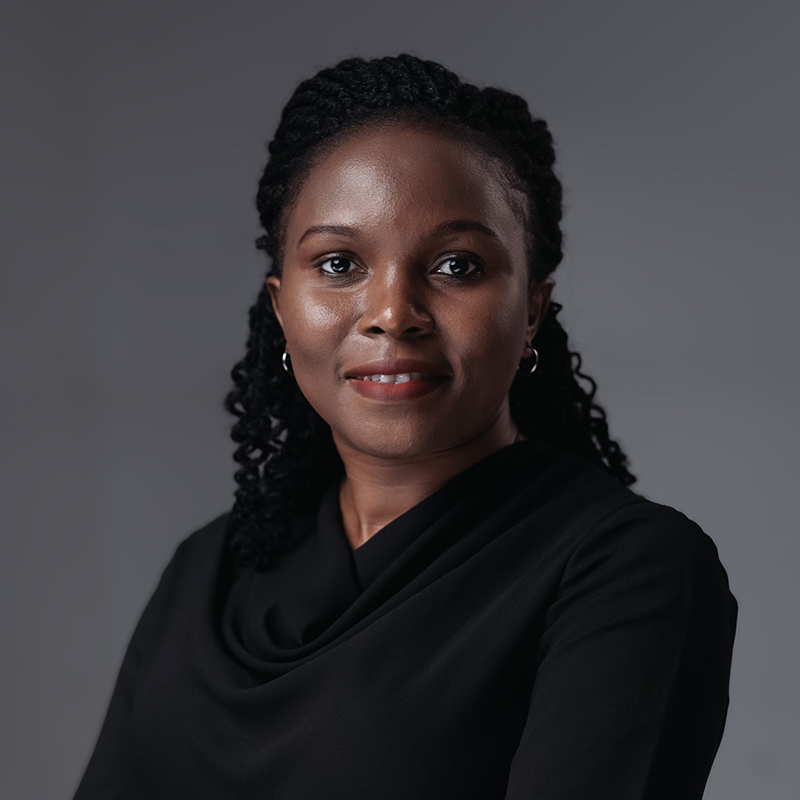
Rose Nakasi

Lecturer at Makerere University, Head of the Makerere AI Health Lab, and Google AI for Global Goals Fellow
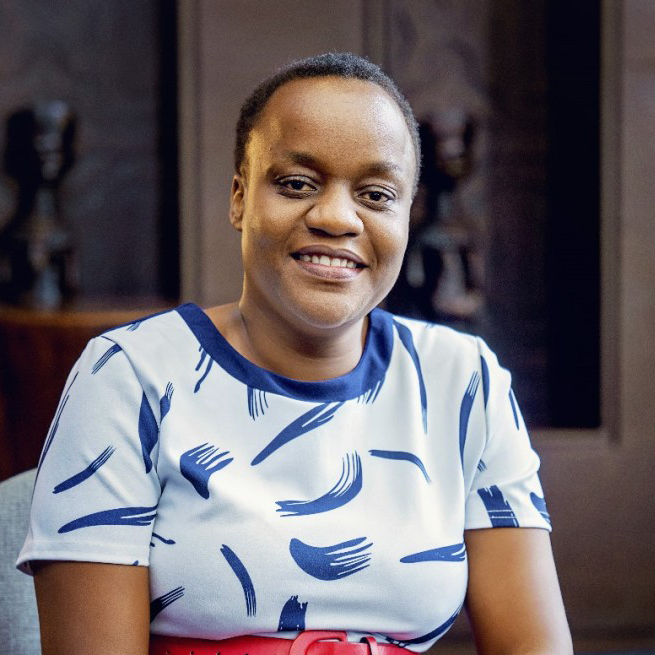
Lilian Wanzare

Research Lead, Maseno Centre for Applied Artificial Intelligence (MCAAI)

Hanna Teshager

Senior Data Analyst at Code for Africa
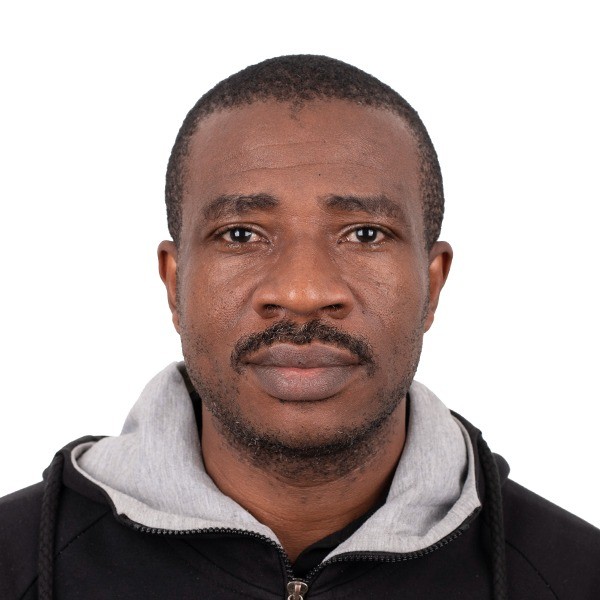
Joel Nwakaire

Professor at University of Nigeria, Nsukka, and Founder of the University of Nigeria Agri-Tech Hub
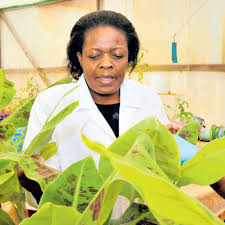
Daisy Salifu

Lead of Biostatistics Section, Data Management, Modelling and Geo-Information (DMMG) Unit at ICIPE - International Centre of Insect Physiology and Ecology, Kenya
A collaboration between AI & Equality / Women at the Table and the African Centre for Technology Studies (ACTS). Framework by Emma Kallina, Sofia Kypraiou and Caitlin Kraft-Buchman; case studies by researchers across the continent.